
Last Updated: June 2026
Three days in Chicago is the sweet spot. It’s enough time to see the highlights that matter — the Bean, the Art Institute, the architecture boat tour, a proper deep dish pizza — without rushing through everything in a blur. I’ve given this itinerary to dozens of first-time visitors over the years, and it works. You’ll leave feeling like you actually experienced Chicago, not just survived it.
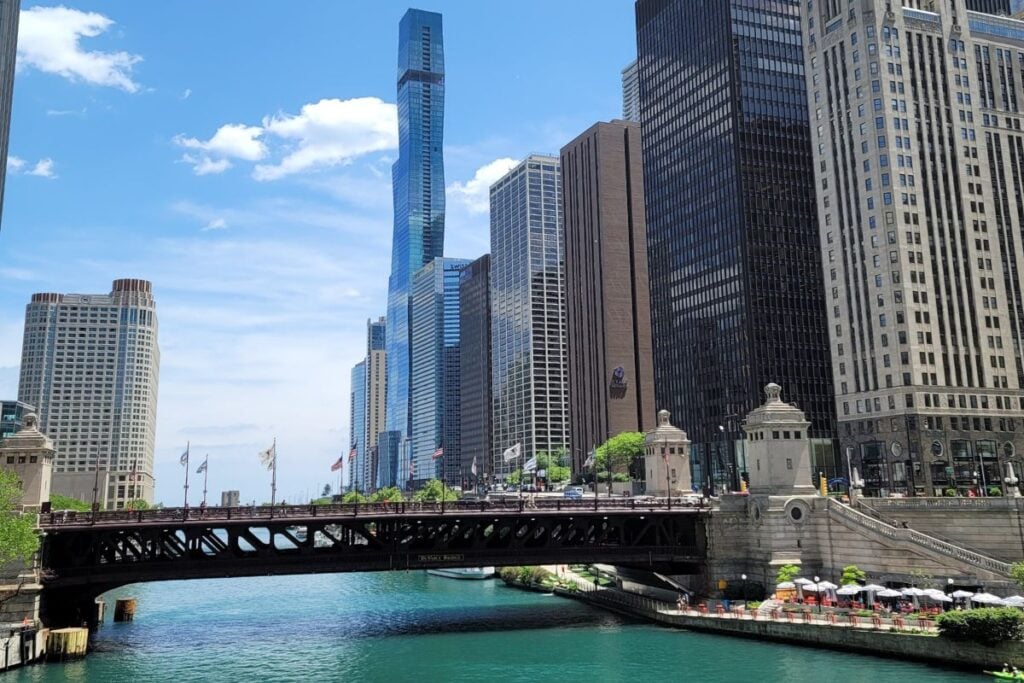
This guide is structured day-by-day with morning, afternoon, and evening suggestions. It’s flexible — I’ll give you options based on your interests and travel style — and I’ve included where to stay, how to get around, and how to save money on the big-ticket attractions. Need inspiration for what to include? See our best things to do in Chicago guide for the full overview.
Your 3 Days at a Glance
- Day 1: The Loop, Millennium Park, the Bean, and the Art Institute.
- Day 2: The Chicago River architecture cruise, the Magnificent Mile, and Skydeck.
- Day 3: A Chicago neighborhood — Museum Campus, Lincoln Park Zoo, or Wicker Park/Pilsen depending on your interests.
- Where to base yourself: The Loop or River North — you can walk to most of it.
- Good to know: Every stop is free or bookable in advance online.
Quick Picks
- 🏆 Don’t miss: Architecture boat tour — book in advance, sells out in summer.
- 🍕 Best deep dish: Lou Malnati’s or Giordano’s — expect a 45-minute wait for the pie.
- 📍 Best area to stay: The Loop or River North — walking distance to almost everything.
- 💰 Money saver: Chicago CityPASS covers Shedd, Skydeck, and a choice of three more — worth it if you’re hitting 3+ attractions.
- 🚇 Getting around: The CTA “L” train connects everything — grab a Ventra card at any station.
- 👨👩👧 Traveling with kids: Swap Day 3 museums for Maggie Daley Park + Lincoln Park Zoo (both free).
Before You Go: The Essentials
- 📍 Best base: The Loop or River North — both put you within walking distance of Day 1 and Day 2 highlights.
- 🚇 Getting around: CTA “L” train + walking covers 90% of this itinerary. Grab a Ventra card at any station or download the Ventra app.
- 🎟️ Chicago CityPASS: Worth buying if you plan to visit 3+ paid attractions — see current options at citypass.com.
- 📅 Book in advance: Architecture boat tour (sells out in summer), Shedd Aquarium, and Skydeck Chicago — all easier and often cheaper when pre-booked.
- 👟 What to wear: Comfortable walking shoes, non-negotiable. Chicago weather changes fast; bring layers regardless of season.
- 🌬️ Weather note: Chicago earns its “Windy City” nickname. Even warm summer days can turn breezy near the lake and river.
Where to Stay in Chicago for 3 Days
For a first visit, where you stay matters more than you’d think. The right neighborhood puts you within walking distance of most of this itinerary and keeps you off the CTA for the heavy-lifting days.
The Loop — Best for First-Timers
The Loop is Chicago’s downtown core and the top choice for first-time visitors. You’re steps from Millennium Park, the Art Institute, the Riverwalk, and every CTA train line. It feels very urban — tall buildings, busy sidewalks — but it’s safe, walkable, and puts you at the center of everything.
Great Loop hotels: Chicago Athletic Association (stunning boutique hotel across from the Bean), LondonHouse Chicago (rooftop bar overlooking the Chicago River), Pendry Chicago (sleek and central), and citizenM Chicago Downtown (stylish, affordable, great location). See our downtown Chicago hotels guide for more at every budget.
River North — Best for Nightlife + Dining
Just north of the Loop across the Chicago River, River North is where most of the city’s best restaurants and bars are concentrated. It’s still very walkable to the main attractions — about 15 minutes on foot to Millennium Park — and it has a livelier, more neighborhood feel than the Loop after dark.
Great River North hotels: Westin Chicago River North (great rooms, river views, solid location) and The Godfrey Hotel (rooftop terrace, popular with locals and visitors alike).
Lincoln Park — Best for Families
If you’re traveling with kids, Lincoln Park is worth considering. It’s quieter than downtown, walkable and residential, and puts you steps from the free Lincoln Park Zoo, North Avenue Beach, and the Chicago History Museum. You’ll need the CTA to reach the Loop attractions, but it’s only a few stops.
💡 PRO TIP: Book your hotel before your architecture cruise tickets. Many Loop and River North hotels are close enough to the Riverwalk departure points that you can walk, which saves both time and money on transportation.
Day 1: The Loop, Millennium Park & the Art Institute
Start with the icons. Day 1 keeps you in and around the Loop — Chicago’s downtown core — where you can walk between the city’s most famous landmarks without ever needing the CTA. This is the day that orients you to the city and gives you those unmistakable Chicago photos.
Morning: Millennium Park + The Bean
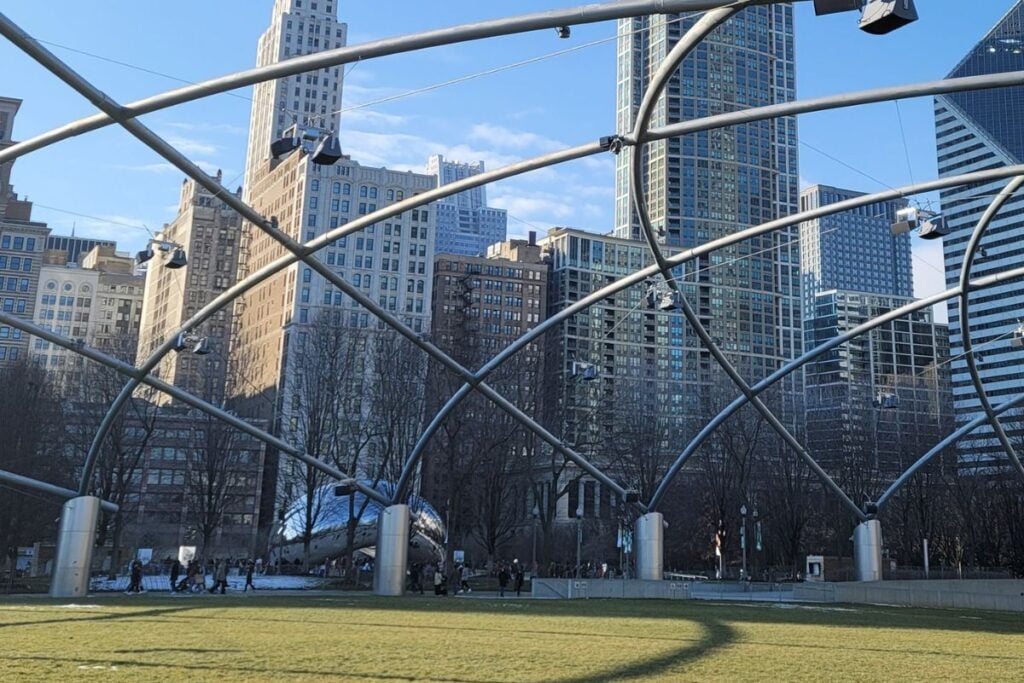
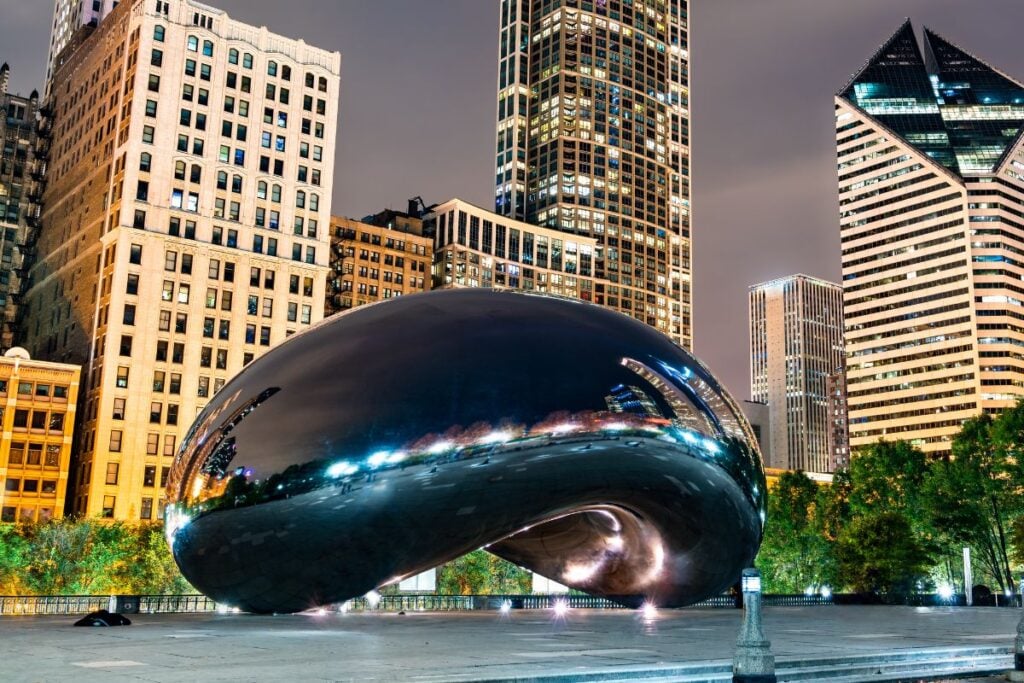
Start at Millennium Park — and get there early. The Bean (officially Cloud Gate) is genuinely magical in the morning light, and before 9 a.m. you’ll have the plaza almost to yourself. Walk underneath to the omphalos — the concave center — for kaleidoscopic reflections that most visitors miss entirely.
From the Bean, explore the rest of Millennium Park — Crown Fountain, Lurie Garden, and Frank Gehry’s stunning Jay Pritzker Pavilion. Plan for about 60–90 minutes total. Grab coffee at Momentum Coffee directly below the Bean in Millennium Hall before heading out.
💡 PRO TIP: If you’re visiting in winter (November–March), the free McCormick Tribune Ice Rink is right next to the Bean. Skate rentals are about $16. It’s one of the best free winter experiences in the city. See my complete Chicago Bean guide for the best times to visit and photo tips.
Mid-Morning: Art Institute of Chicago
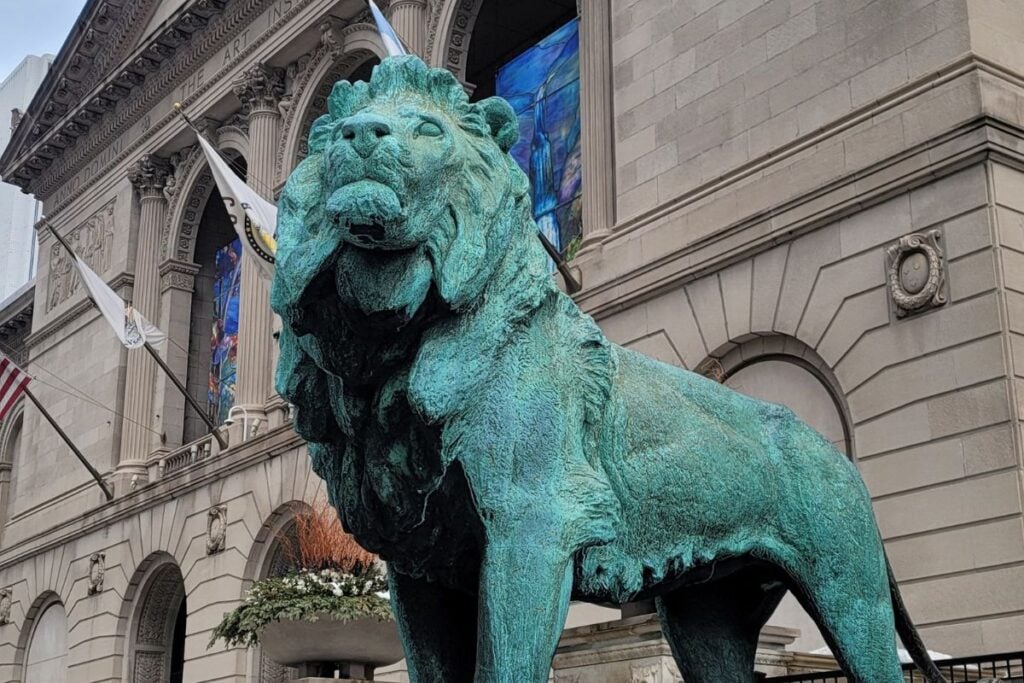
Cross the Nichols Bridgeway from Millennium Park directly into the Art Institute of Chicago — one of the greatest art museums in the world, and often underestimated by first-timers who think it’ll take 30 minutes. It won’t. Plan for 2–3 hours minimum.
Highlights that are genuinely worth your time: Seurat’s “A Sunday on La Grande Jatte,” Hopper’s “Nighthawks,” Grant Wood’s “American Gothic,” and the Thorne Miniature Rooms (seriously, don’t skip them). The Modern Wing is spectacular for architecture alone. See my full Art Institute guide before you go.
- 📍 Art Institute of Chicago: 111 S Michigan Ave, Chicago, IL 60603 — artic.edu
- ⏰ Hours: Thu–Mon 11 a.m.–5 p.m., Fri 11 a.m.–8 p.m.; closed Tue–Wed. Confirm before you go.
- 💰 Admission: Adults $25, Chicago residents $14, under 14 free
- 📞 Phone: 312-443-3600
- ♿ Accessibility: Fully accessible — elevators, ramps, wheelchairs available
- 🐕 Dogs: Not permitted inside (service animals welcome)
Afternoon: The Riverwalk + Chicago Loop
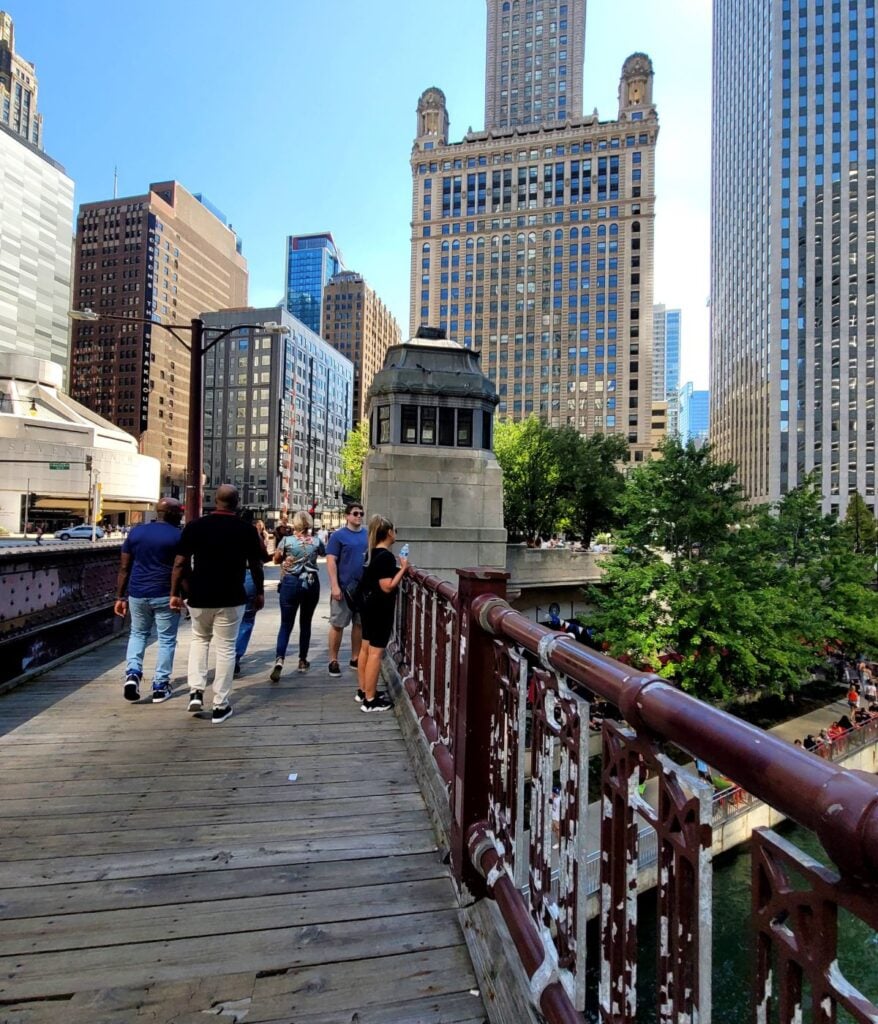
Head to the Chicago Riverwalk for lunch — there are great casual spots right on the water, and the views of the skyline from river level are some of the best in the city. After lunch, take a walk through the Loop itself. This is Chicago’s historic downtown core, and it’s full of architectural gems hiding in plain sight.
Walk under the “L” tracks on Wabash Avenue — the noise and shadow and steel overhead is quintessentially Chicago. Stop at the Chicago Cultural Center (free, and the Tiffany glass dome inside is jaw-dropping). Head to Daley Plaza for the famous Picasso sculpture — it’s free, it’s strange, and it’s been there since 1967.
Evening: Deep Dish Pizza + Chicago Theatre District
Tonight is your deep dish night. Order ahead — every serious deep dish spot requires a 45-minute wait for the pie to bake. Lou Malnati’s (multiple locations, my top pick for consistency) and Giordano’s (stuffed pizza, more tourist-friendly experience) are both solid choices within easy reach of the Loop. See my full deep dish guide for every option.
After dinner, explore the Theater District around State Street. Even if you don’t have show tickets, the architecture of the Chicago Theatre and Palace Theatre is worth seeing lit up at night. The Chicago Riverwalk is also beautiful after dark — a good evening stroll before heading back to the hotel.
💡 PRO TIP: If you want a show tonight, book ahead at broadwayinchicago.com. The Cadillac Palace Theatre and CIBC Theatre both regularly host touring Broadway productions and are two of the most beautiful venues in the country.
Day 2: Architecture Cruise, Magnificent Mile & Skydeck
Day 2 gets you out on the water and up into the sky. This is the day that makes Chicago click for most first-time visitors — you finally understand the scale of this city and why its architecture is world-famous.
Morning: Chicago Architecture Boat Tour
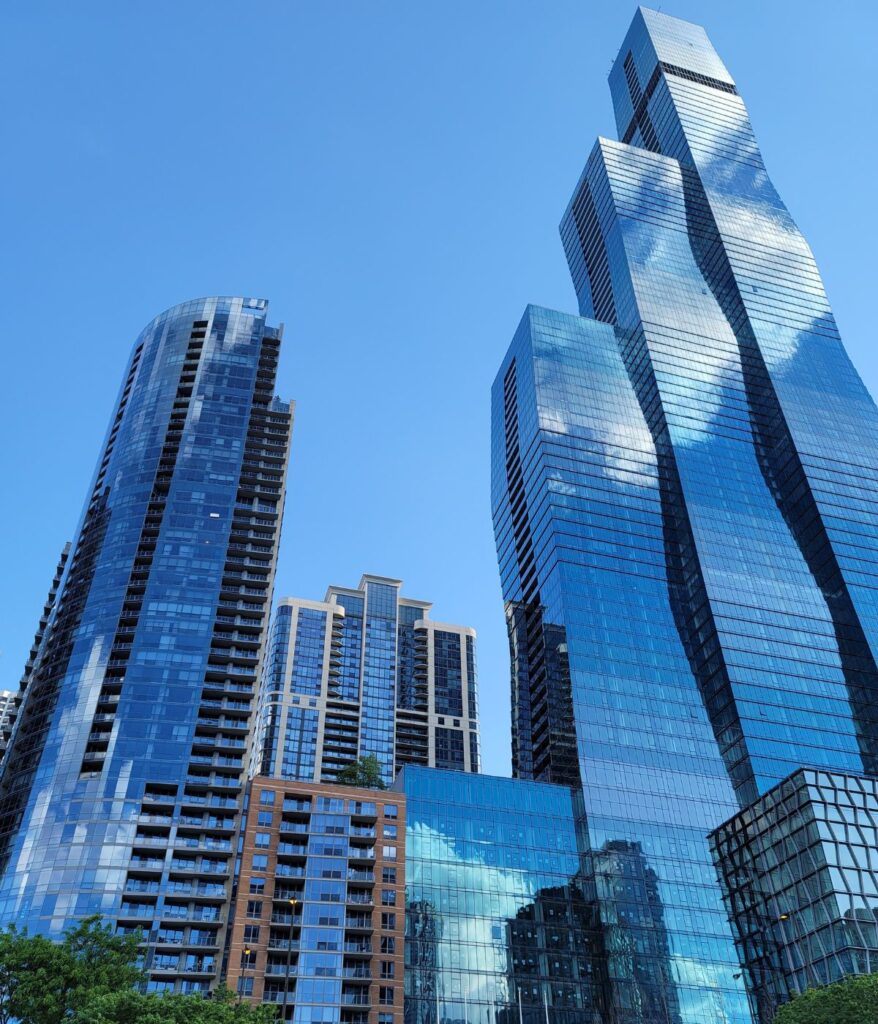
Book the first or second departure of the day. The architecture boat tour is, without question, the single best thing a first-time visitor can do in Chicago. Floating down the Chicago River with an expert guide explaining the buildings around you — the Marina City “corncob” towers, the Tribune Tower embedded with stones from famous buildings around the world, the sleek glass of the Apple Store — it’s a 90-minute masterclass in why Chicago matters.
My top pick is the Chicago Architecture Center River Cruise aboard First Lady — the guides are CAC-trained volunteers who bring genuine expertise and passion to every tour. Tickets start at $57 and it’s worth every dollar. Book in advance, especially May–September — it genuinely sells out.
- 📍 Chicago Architecture Center: 111 E Wacker Drive, Chicago, IL 60601 — architecture.org
- 📅 Season: March 15–November 23, 2026; multiple departures daily
- 💰 Price: From $57 general boarding — book tickets
- 📞 Phone: 312-922-3432 — ⏱️ Duration: 90 minutes
- ♿ Accessibility: Most vessels accessible — call ahead for wheelchair needs. 🐕 Service animals only.
Budget alternative: Shoreline Sightseeing’s Architecture River Tour runs $46–$55 for adults and departs from both Michigan Avenue and Navy Pier — a solid option if the CAC cruise is sold out. See my full guide to Chicago boat tours for all the options.
Afternoon: The Magnificent Mile + Skydeck Chicago
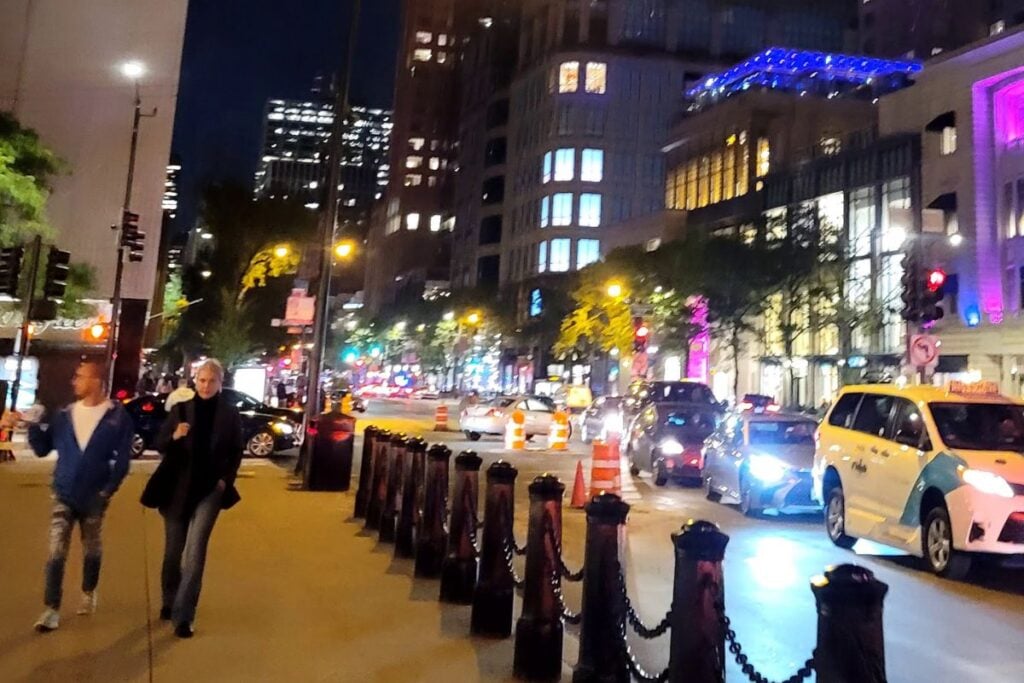
After the cruise, head up Michigan Avenue to the Magnificent Mile — Chicago’s 13-block premier shopping and sightseeing district. Even if you’re not shopping, the architecture alone is worth the walk. Stop at the historic Water Tower at Chicago Avenue — a Gothic limestone building that survived the Great Chicago Fire of 1871 and stands completely incongruous among the modern towers around it. See our Magnificent Mile guide if you want to stay in the area.
From there, head to Skydeck Chicago at Willis Tower for the views. The Ledge — glass-floored balconies jutting out from the 103rd floor — is genuinely terrifying in the best way. Book tickets in advance online to skip the line, which gets long in peak season.
- 📍 Skydeck Chicago: 233 S Wacker Drive, Chicago, IL 60606 — skydeck.com
- ⏰ Hours: Daily 9 a.m.–10 p.m. (last entry 9:30 p.m.)
- 💰 Admission: Adults from $49, kids (3–11) from $40 — book online for best price. Confirm current pricing before you go.
- 📞 Phone: 312-875-9696
- ♿ Accessibility: Fully accessible — elevators throughout, accessible viewing areas. 🐕 Service animals welcome.
💡 PRO TIP: Visit Skydeck in the late afternoon — the light is better for photos than midday, and if you time it right you can catch the sun setting over the city from 103 floors up. One of those views that makes you understand why people love this place.
Evening: River North Dinner + Chicago Nightlife
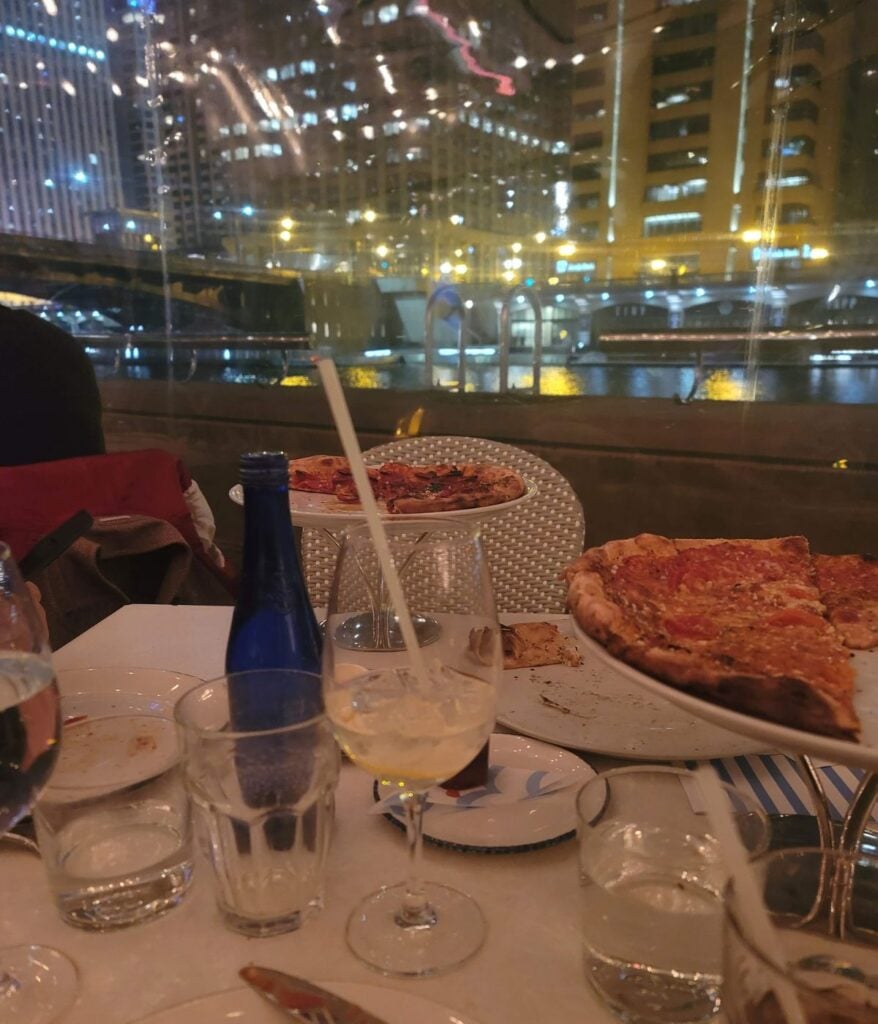
River North is the best neighborhood in Chicago for a first-timer’s dinner. The concentration of great restaurants is unmatched — Italian, steakhouse, tapas, innovative American — and the energy is high without feeling overwhelming.
For a classic Chicago dinner: Bavette’s Bar and Boeuf (moody, excellent steaks, great cocktails — book weeks ahead), Portillo’s on Ontario (counter-service Chicago institution — Chicago-style hot dog, Italian beef, and a chocolate cake shake), or GT Fish and Oyster for something lighter and modern.
After dinner, Chicago’s comedy scene is genuinely world-class. Second City — the training ground for everyone from John Belushi to Tina Fey — runs shows most evenings and the mainstage productions are always sharp. Book ahead at secondcity.com.
Day 3: Choose Your Chicago Adventure
Day 3 is where the itinerary gets personal. By now you have a feel for the city — pick the path that fits your interests best. I’ve laid out three options.
Option A: Museum Campus (For Culture + Science Lovers)
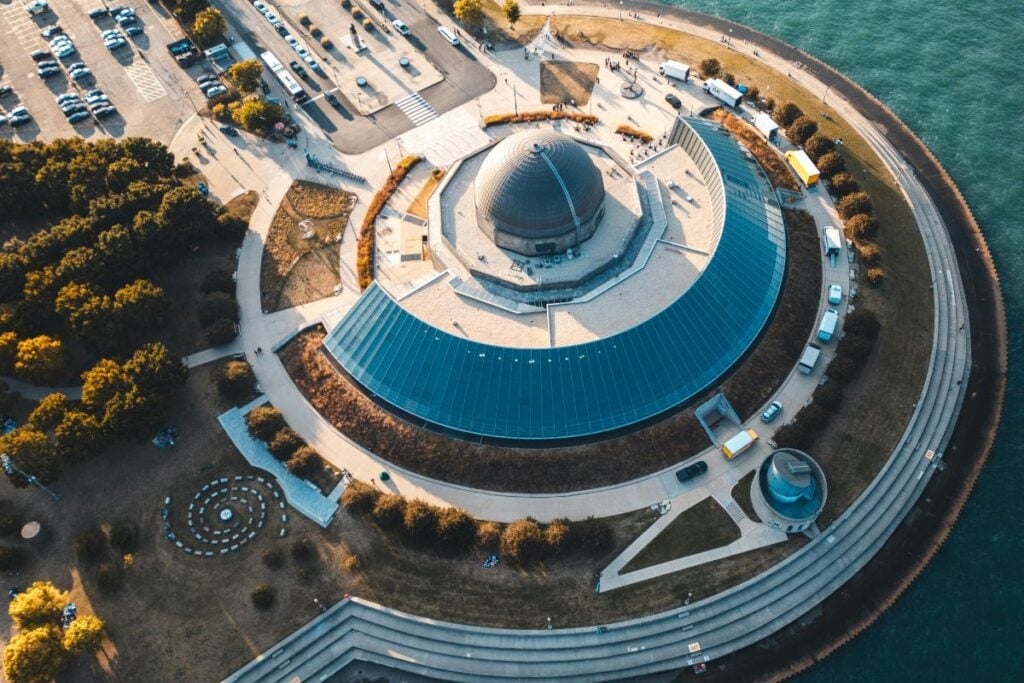
Museum Campus sits on a peninsula jutting into Lake Michigan just south of downtown — three world-class institutions in one walkable complex. Start at the Field Museum for SUE, the world’s most complete T. rex, and one of the greatest natural history collections anywhere. Then choose between the Shedd Aquarium (beluga whales, dolphins, world-class shows — buy tickets in advance) and the Adler Planetarium for the city views alone from the front steps.
Realistically, the Field Museum alone takes half a day. If you’re doing all three, you need a full day. Pick your priority and go deep rather than rushing through all three. See my full Chicago museums guide for what to prioritize.
- 📍 Museum Campus: 1400 S Lake Shore Drive, Chicago, IL 60605
- 🚇 Getting there: CTA Bus 146 from Michigan Ave, or a 25-minute walk from the Loop along the lakefront
- 💰 Money saver: Chicago CityPASS includes Shedd Aquarium + Skydeck + more
- ♿ Accessibility: All three museums are fully ADA-accessible. 🐕 Not permitted inside (service animals welcome).
Option B: Lincoln Park + Lakefront (For Families + Outdoor Lovers)
Take the Red Line north to Fullerton and spend Day 3 in Lincoln Park. Start at the Lincoln Park Zoo — one of the last free major zoos in America, genuinely excellent, and perfect for kids and adults alike. Then walk through Lincoln Park itself along the lakefront — on a clear day, the skyline views from North Avenue Beach are some of the best in the city. For more family ideas, see our Lincoln Park with kids guide.
In the afternoon, the Chicago History Museum at the south end of the park is compact, well-curated, and gives you the Great Chicago Fire story in vivid detail. Finish with a stroll through the Peggy Notebaert Nature Museum’s butterfly haven — it’s a surprisingly meditative experience.
💡 PRO TIP: Lincoln Park Zoo is free but parking is expensive and limited. Take the Red Line to Fullerton — it’s a 5-minute walk to the zoo entrance and infinitely easier than driving.
Option C: Wicker Park or Pilsen (For the “Real Chicago” Experience)
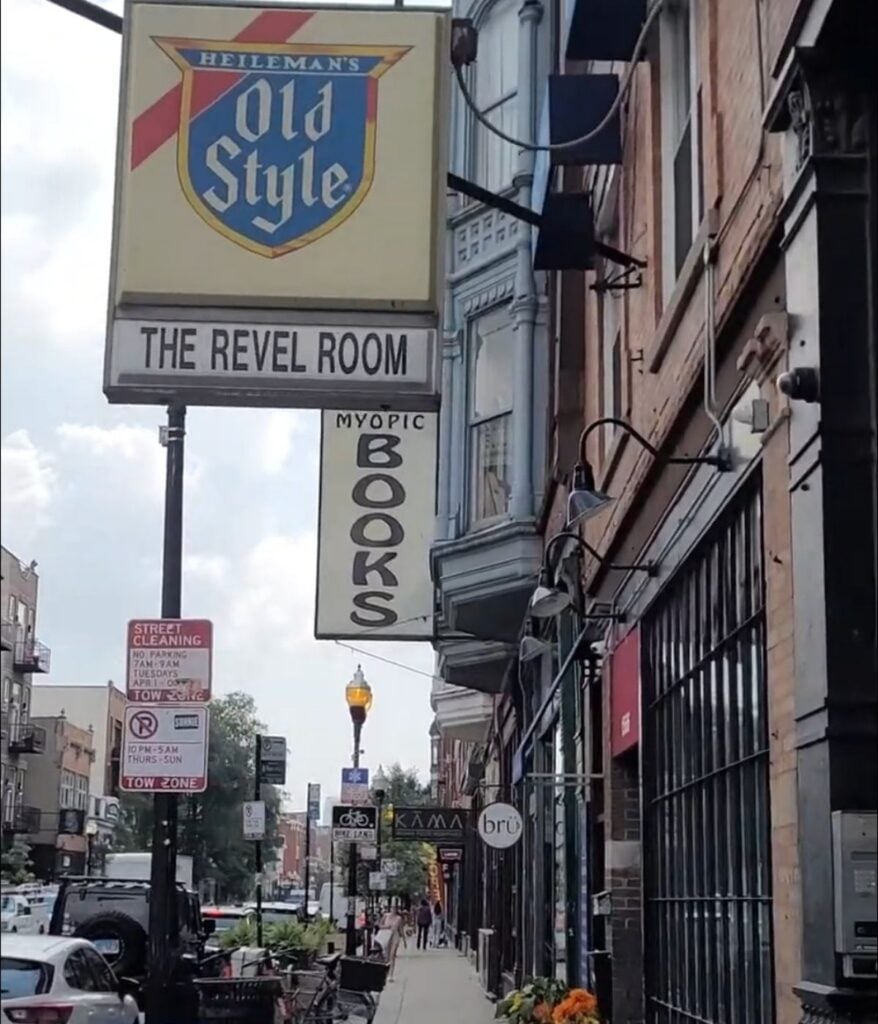
If you want to see Chicago beyond the tourist core, spend Day 3 in a neighborhood. Wicker Park (Blue Line to Damen) gives you the Chicago that locals actually live in — independent coffee shops, vintage boutiques, great restaurants, the 606 elevated trail for a walk with skyline views. It’s the kind of neighborhood that makes you want to move here. See our Wicker Park guide for the best spots.
Pilsen (Pink Line to 18th Street) is Chicago’s Mexican-American cultural hub on the Lower West Side — vibrant street murals covering nearly every building, the free National Museum of Mexican Art, and some of the best tacos and tamales in the city. It feels nothing like downtown and that’s exactly the point. See my complete Pilsen guide before you go.
Getting Around Chicago
Chicago is extremely easy to navigate. Most first-time visitors use a combination of the CTA “L” train and walking — and that covers 90% of this itinerary. For the full breakdown, see our Chicago CTA guide.
The CTA “L” Train is your best friend. Eight color-coded lines connect the city, and all of them pass through the Loop. The Red Line runs 24 hours. Download the Ventra app or grab a Ventra card at any station — a single ride is $2.50, and a 1-day pass ($5) or 3-day pass ($15) is worth it if you’re taking more than two rides per day.
Walking connects more of Chicago than most visitors realize. The Bean to the Art Institute is 5 minutes on foot. The Art Institute to the Riverwalk is another 5 minutes. The Loop to River North is a 10-minute walk across the Chicago River. You’ll be surprised how much of this itinerary you can do on foot.
Rideshare (Uber/Lyft) is useful for Museum Campus and Lincoln Park if you’re not taking the train. Divvy bike-share is great in good weather — docks are everywhere and rates are reasonable for short rides.
💡 PRO TIP: Avoid driving in the Loop during your trip. Parking is expensive, traffic can be brutal, and you don’t need a car to reach anything on this itinerary. If you drove to Chicago, leave the car at the hotel for all three days.
What to Eat: Chicago Food You Can’t Skip
Chicago has one of the best food scenes in the country — and first-timers sometimes miss it by defaulting to the nearest chain restaurant near the hotel. Don’t do that. Here’s what to actually eat.
Deep Dish Pizza: Order ahead because the pie takes 45 minutes to bake. Lou Malnati’s is my recommendation for the classic butter crust version. Giordano’s if you want the stuffed style. Pequod’s in Lincoln Park for a caramelized crust that converts deep dish skeptics. See my full deep dish guide for every option.
Chicago-Style Hot Dog: Vienna Beef, yellow mustard, neon relish, onion, tomato, pickle, sport peppers, celery salt — on a poppy seed bun. No ketchup, ever. Portillo’s is the tourist-friendly classic. Wolfy’s is more local.
Italian Beef: Thinly sliced seasoned beef on Italian bread, dipped in the cooking juices, topped with giardiniera or sweet peppers. Get it “dipped.” Al’s Beef and Portillo’s are the accessible classics.
Breakfast: The Bongo Room in Wicker Park for creative pancakes worth the trip. Yolk has multiple downtown locations and is reliable for a quick morning before hitting the attractions. For more, see our 30 best Chicago brunch spots.
How to Save Money on Your Chicago Trip
Chicago CityPASS is worth buying if you’re hitting 3 or more paid attractions. It covers Shedd Aquarium and Skydeck Chicago plus your choice of three more from the Field Museum, Art Institute, 360 Chicago, Adler Planetarium, Museum of Science and Industry, and the Shoreline Architecture River Tour — saving up to 49% compared to buying individual tickets.
Free in Chicago — and genuinely excellent: Millennium Park and the Bean, the Chicago Riverwalk, the 606 Trail, Lincoln Park Zoo, the Chicago Cultural Center, and all of the public art throughout the Loop. See my Chicago on a budget guide for dozens more ideas.
Book in advance: The architecture boat tour, Shedd Aquarium, and Skydeck all cost less when booked online ahead of time — and you skip the lines, which is worth it in peak season.
Practical Tips for First-Time Visitors
Weather changes fast. Chicago’s weather is famously unpredictable. Even in summer, pack a light jacket for evenings near the lake. In winter — roughly November through March — dress seriously warm. The wind off Lake Michigan is not playing around.
Tipping culture. Standard restaurant tip is 20%. Many coffee shops now have tip screens at the counter — you don’t have to tip at counter service, but it’s appreciated.
Neighborhood safety. The tourist areas covered in this itinerary — the Loop, River North, Lincoln Park, Millennium Park, Museum Campus, and Wicker Park — are all safe and heavily visited. Like any large city, use common sense and be aware of your surroundings.
Closures to know. The Art Institute is closed Tuesday and Wednesday. Check hours for every attraction you plan to visit — some have reduced hours or seasonal schedules.
💡 PRO TIP: Download the CTA Ventra app before you arrive. It shows real-time train arrivals and helps you navigate the L without stress. The CTA system looks intimidating on a map but it’s very logical once you’re on it.
Frequently Asked Questions
Is 3 days enough time in Chicago?
Three days is the sweet spot for a first visit. You can hit the major highlights — the Bean, Art Institute, architecture boat tour, Skydeck, deep dish pizza, and at least one Chicago neighborhood — without feeling rushed. You won’t see everything, but you’ll leave feeling like you actually experienced the city.
What is the best time of year to visit Chicago for 3 days?
Late May through early October is ideal — warm weather, all outdoor attractions fully open, and the architecture boat tour in full swing. September and October offer great weather with smaller crowds and lower prices. Winter is cold but beautiful — skating at the Bean, holiday markets, and fewer tourists.
How much does a 3-day trip to Chicago cost?
Budget roughly $150–$250 per person per day for mid-range travel covering hotel, food, and attractions. A Chicago CityPASS saves money if you’re hitting 3 or more paid attractions. Many of Chicago’s best experiences — the Bean, Riverwalk, Lincoln Park Zoo, the Cultural Center — are completely free.
What neighborhood should I stay in for a first visit?
The Loop or River North are the best areas for first-time visitors. Both are central, walkable to major attractions, and well-served by the CTA. The Loop is most convenient; River North has better dining and nightlife. Families with kids might also consider Lincoln Park for a quieter, more residential feel.
Do I need a car in Chicago?
No — and leaving it parked at the hotel for all three days is strongly recommended. The CTA “L” train, walking, and rideshare cover everything in this itinerary. Downtown parking runs $30–$50 per day and traffic can be frustrating. Chicago is one of the most walkable and transit-friendly cities in the US.
Is the architecture boat tour worth it?
Yes — it’s the best single activity in Chicago for first-time visitors. The 90-minute Chicago Architecture Center cruise reveals the stories behind buildings you’ve been walking past and makes the skyline make sense in a way no guidebook can. Book in advance; it sells out in summer.
Is Chicago safe for tourists?
The neighborhoods in this itinerary — the Loop, River North, Millennium Park, Lincoln Park, Museum Campus, Wicker Park, and Pilsen — are all safe and heavily visited. Use standard big-city awareness, keep your phone secure, and you’ll be fine.
Keep Planning Your Chicago Trip
- First-Time Visitor’s Guide to Chicago — the complete overview of everything you need to know
- Complete Guide to the Chicago Bean — hours, photo tips, and what to do nearby
- Guide to the Art Institute of Chicago — what to see, what to skip, how to plan your visit
- Best Chicago Boat Tours — every architecture cruise and river tour compared
- The 25 Best Chicago Museums — from the Field Museum to the hidden gems
- Chicago on a Budget — how to see the city without spending a fortune
- Best Deep Dish Pizza in Chicago — where to go for the real thing