
Last Updated: June 2026
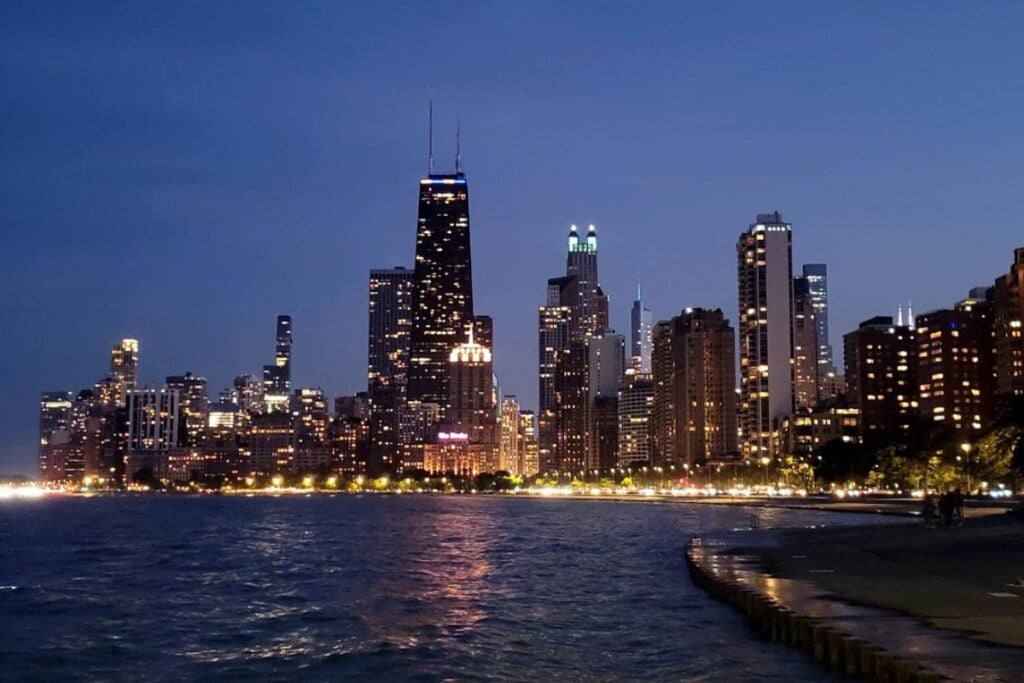
Chicago has been voted the Best Big City in the US for nine consecutive years — and the first time you visit, you’ll understand why. The skyline will stop you in your tracks. The food will genuinely surprise you. The neighborhoods feel nothing like what you expected from a “Midwest city.” And there’s so much to do that the hardest part isn’t finding things — it’s figuring out where to start.
This guide is built for that exact problem. I’ve lived in and around Chicago for years and have brought dozens of first-time visitors through this city. What follows isn’t a list of everything — it’s the honest, curated guide to what’s actually worth your time, organized so you can build a real trip around it.
At a Glance: Best Things to Do in Chicago
- 🏆 Single best experience: Architecture boat tour on the Chicago River — nothing else shows you the city like this.
- 📸 Most iconic stop: The Bean (Cloud Gate) at Millennium Park — arrive before 9am.
- 🍕 Must-eat: Deep dish pizza — order ahead, it takes 45 minutes to bake.
- 🎭 Best evening: Second City comedy show — world-class, walk-up tickets usually available.
- 🏙️ Best neighborhood to explore: Wicker Park or Pilsen — both feel nothing like downtown.
- 🆕 New in 2026: Obama Presidential Center opens June 19 in Hyde Park — a major new landmark.
- 📅 Planning 3 days? Use our 3-Day Chicago Itinerary — it maps everything in logical order.
Quick Picks by Interest
- 👨👩👧 Best with kids: Millennium Park, Lincoln Park Zoo (free), Shedd Aquarium, Maggie Daley Park.
- 💰 Best free things: The Bean, Chicago Riverwalk, Lincoln Park Zoo, Chicago Cultural Center, the lakefront.
- 🏛️ Best museums: Art Institute, Field Museum, Shedd Aquarium, Museum of Science & Industry.
- 🌆 Best views: Skydeck Chicago (Willis Tower), 360 Chicago (Hancock), the architecture boat tour.
- 🍽️ Best food experiences: Deep dish pizza, Chicago hot dog, Italian beef, West Loop dining.
- 🏘️ Best neighborhoods: Wicker Park, Pilsen, Lincoln Park, West Loop, Gold Coast.
- 🎟️ Save money: Chicago CityPASS — Shedd, Skydeck, and your choice of three more top attractions at up to 49% off.
How to Use This Guide
Chicago is a big city and first-time visitors often make one of two mistakes: trying to see everything and burning out by day two, or sticking only to the downtown tourist circuit and missing what makes the city special. This guide helps you avoid both.
The attractions below are organized by type — not by some arbitrary ranking. Read through, pick what resonates with your interests, and build your days around those anchors. If you want the work done for you, our 3-Day Chicago Itinerary maps the best first-time experience in logical, walkable order. For trip planning logistics — where to stay, how to get around, what to budget — see our complete trip planning guide.
💡 PRO TIP: Base yourself in the Loop or River North and you can walk to most of what’s on this list. The CTA “L” train reaches everything else in 15–30 minutes. You do not need a car for a Chicago trip. See our Chicago CTA Guide for navigating the L like a local.
Must-See Attractions
These are the experiences that define a Chicago first visit. Not every tourist attraction deserves that label — these genuinely do.
The Bean & Millennium Park
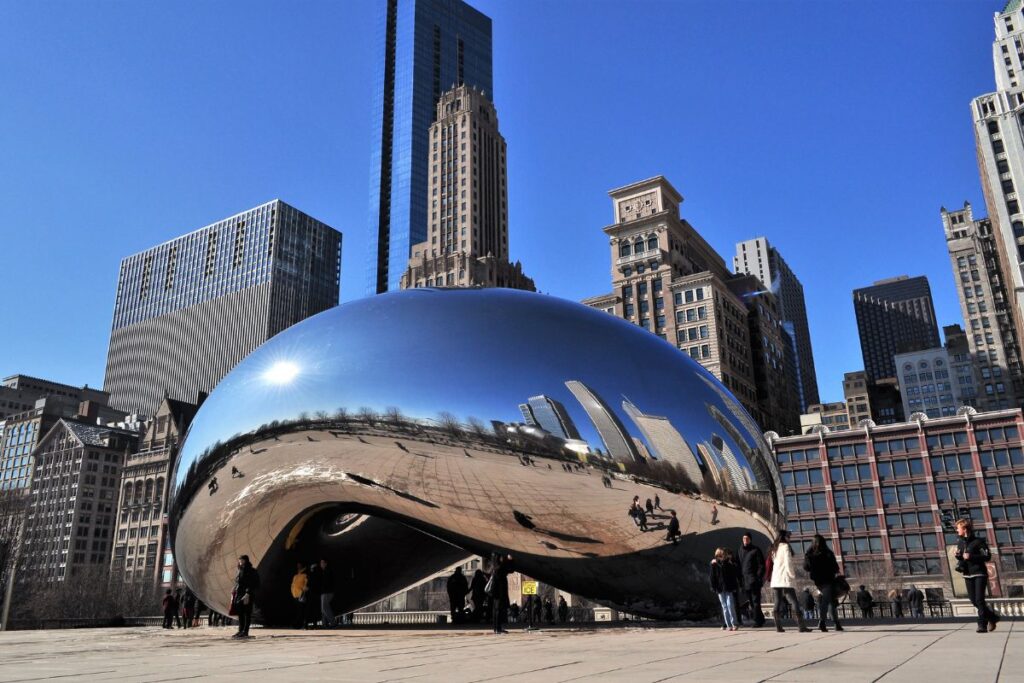
Start here. Millennium Park is Chicago’s front yard — 24.5 acres of free public space in the heart of the Loop with the most photographed sculpture in the city, a Frank Gehry concert hall, a botanical garden, and a pedestrian bridge that makes you stop and stare. The Bean (officially Cloud Gate) is a 110-ton stainless steel sculpture that reflects the skyline and everyone around it in ways that are genuinely disorienting and wonderful. Walk underneath it. Most people don’t.
Millennium Park is also where Chicago’s best free summer programming happens — the Grant Park Music Festival, the Summer Film Series, the Blues and Jazz Festivals. In winter, the free McCormick Tribune Ice Rink opens directly in front of the Bean. See our complete Chicago Bean guide for the best times to visit and photo tips.
- 📍 Millennium Park: 201 E Randolph St — millenniumpark.org
- ⏰ Hours: Daily 6am–11pm — 💰 Admission: Free
- ⚠️ 2026 note: Lurie Garden closed March 2–early July; Pritzker Pavilion trellis under renovation. Confirm before you go.
The Architecture Boat Tour
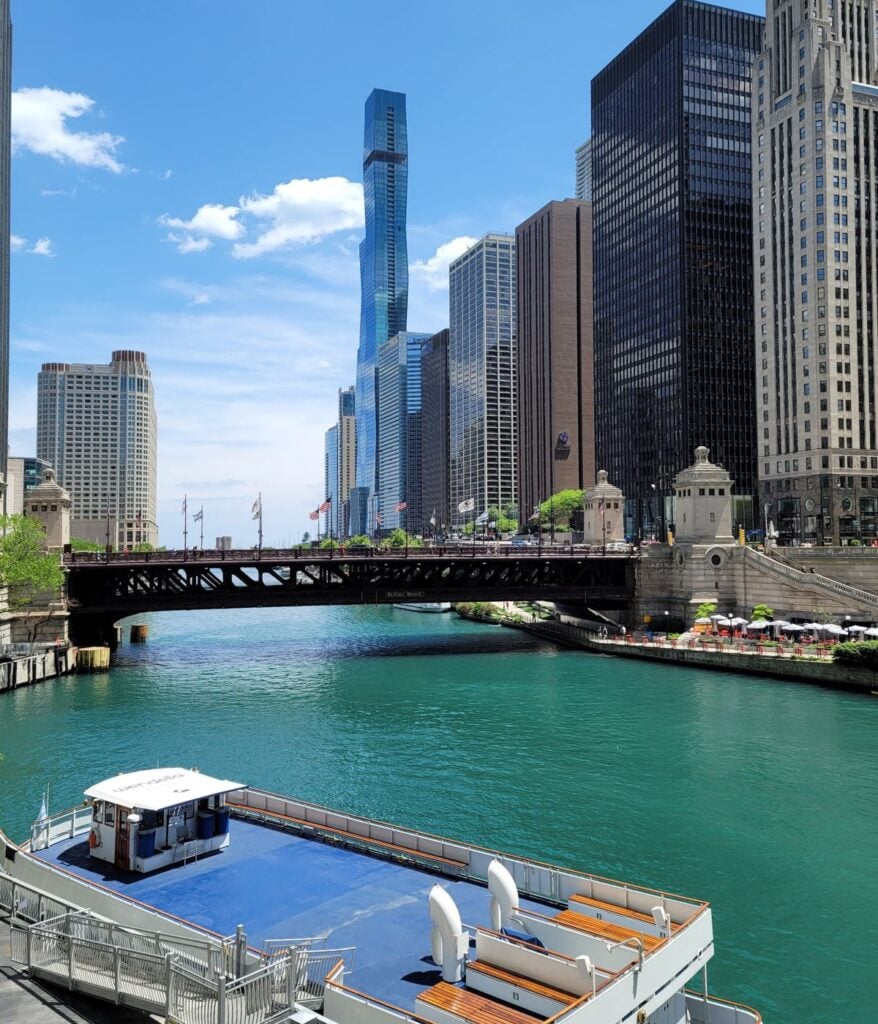
If you do one paid activity in Chicago, make it this one. The architecture boat tour floats you down the Chicago River while an expert guide explains the buildings around you — the Marina City “corncob” towers, the Tribune Tower with stones from famous buildings around the world embedded in its base, the glass-and-steel towers that made Chicago the birthplace of the skyscraper. It’s 90 minutes and it makes the entire city make sense in a way no guidebook can.
My top recommendation is the Chicago Architecture Center River Cruise — CAC-trained volunteer guides, multiple departures daily, season runs March–November. Tickets start at $57. Book in advance; it sells out in summer. Budget alternatives include Shoreline Sightseeing ($46–$55) and Wendella Boats. See the full comparison in our Chicago boat tours guide.
- 📍 CAC Cruise: 111 E Wacker Drive — Book tickets
- 💰 From $57 — ⏱️ 90 minutes — 📅 Season: March 15–November 23, 2026
- 📞 Phone: 312-922-3432 — ♿ Most vessels accessible; call ahead
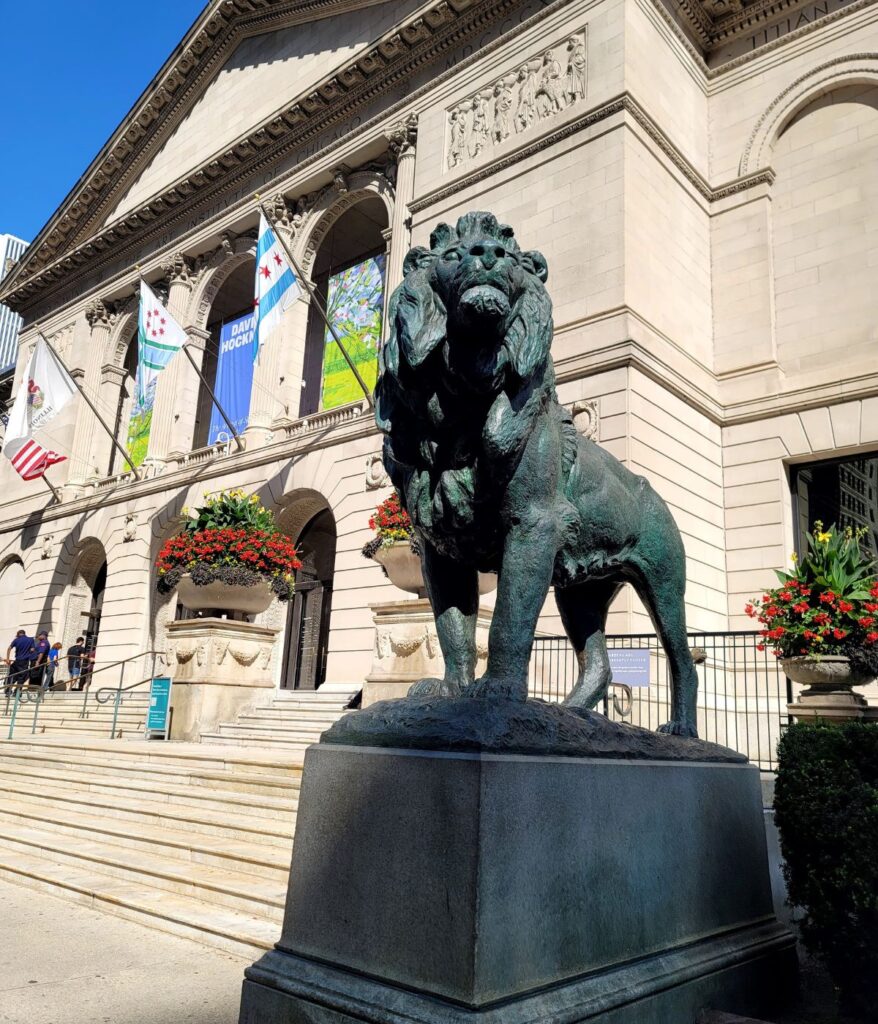
Art Institute of Chicago
One of the greatest art museums in the world — and one of the most underestimated by first-timers who think it’ll take 30 minutes. Plan 2–3 hours minimum. Seurat’s “A Sunday on La Grande Jatte,” Hopper’s “Nighthawks,” Grant Wood’s “American Gothic,” the Thorne Miniature Rooms, and the Modern Wing are all genuinely worth your time. The Nichols Bridgeway connects directly from Millennium Park to the museum’s third floor — you can walk from the Bean to Monet without crossing a street.
See our full Art Institute guide for what not to skip. For more museum options across the city, our guide to the 25 best Chicago museums covers everything from the Field Museum to the hidden gems.
- 📍 Art Institute: 111 S Michigan Ave — artic.edu
- ⏰ Hours: Thu–Mon 11am–5pm, Fri 11am–8pm; closed Tue–Wed. Confirm before you go.
- 💰 Adults $25, Chicago residents $14, under 14 free — 📞 312-443-3600
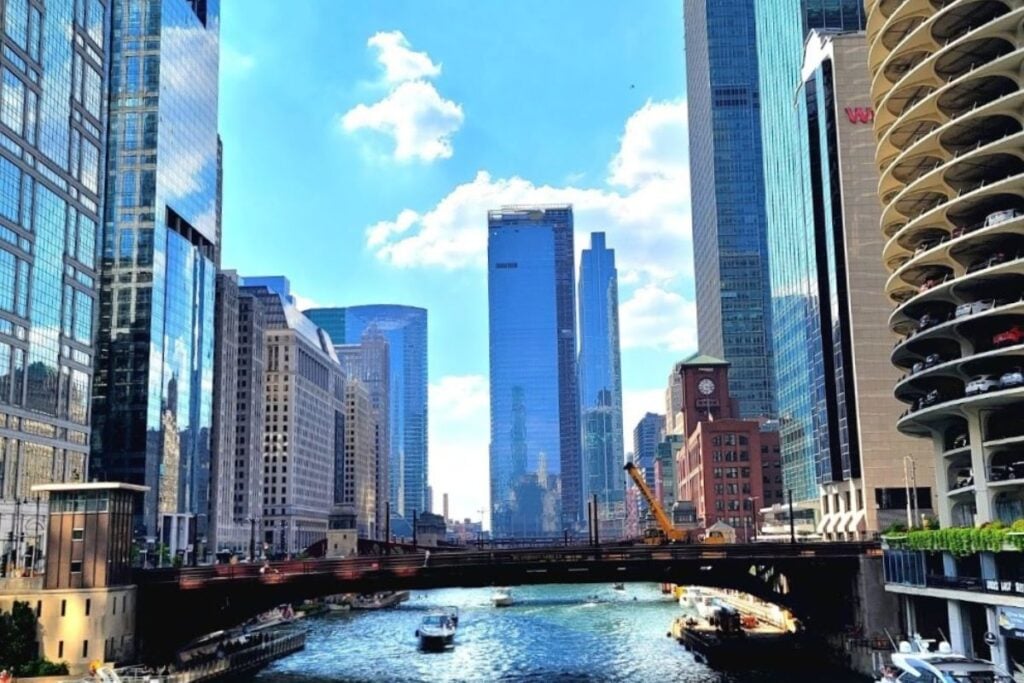
The Chicago Riverwalk
The Riverwalk is a 1.25-mile pedestrian path along the south bank of the Chicago River, lined with restaurants, bars, kayak rentals, public art, and some of the best architecture views in the city. It’s free, it’s beautiful, and most visitors walk right past the entrance without realizing it’s there. From the Riverwalk you can board the architecture boat tour, rent a kayak, grab a riverside meal, or simply walk and stare at the skyline rising above you.
Summer is when the Riverwalk is at its best — outdoor seating fills up, live music drifts over the water, and Navy Pier fireworks are visible from the east end on Wednesday and Saturday nights. See our Chicago Riverwalk guide for the best spots, and our Riverwalk hidden gems guide for what most people walk right past.
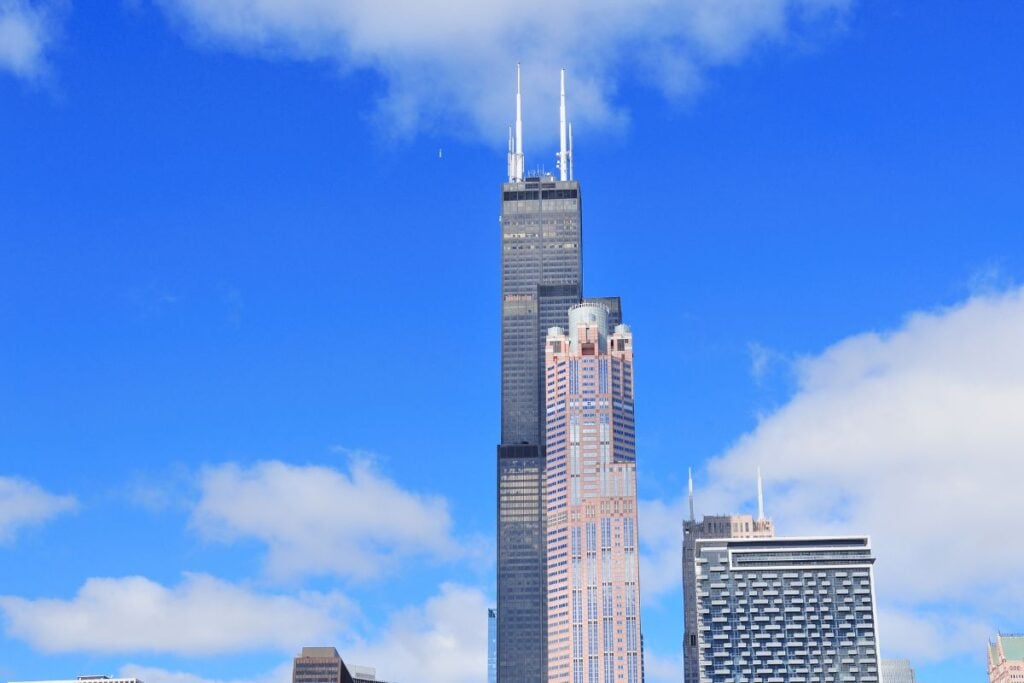
Skydeck Chicago at Willis Tower
The Skydeck sits on the 103rd floor of Willis Tower — the tallest building in Chicago at 1,450 feet — with views stretching across four states on a clear day. The Ledge, glass-floored balconies that jut out from the building, is genuinely terrifying and worth every second. Buy tickets online in advance to skip the line, which gets long in peak season.
The honest comparison: Skydeck (Willis Tower) gives you a higher perch and the dramatic Ledge experience. 360 Chicago (John Hancock Center, 94th floor) gives you northward views toward Lincoln Park and the lakeshore, plus the TILT attraction that slowly tilts you over the edge. Both are legitimate — choose based on which direction you want to look at the city.
- 📍 Skydeck Chicago: 233 S Wacker Drive — skydeck.com
- ⏰ Hours: Daily 9am–10pm (last entry 9:30pm)
- 💰 Adults from $49, kids (3–11) from $40 — 📞 312-875-9696. Confirm current pricing before you go.
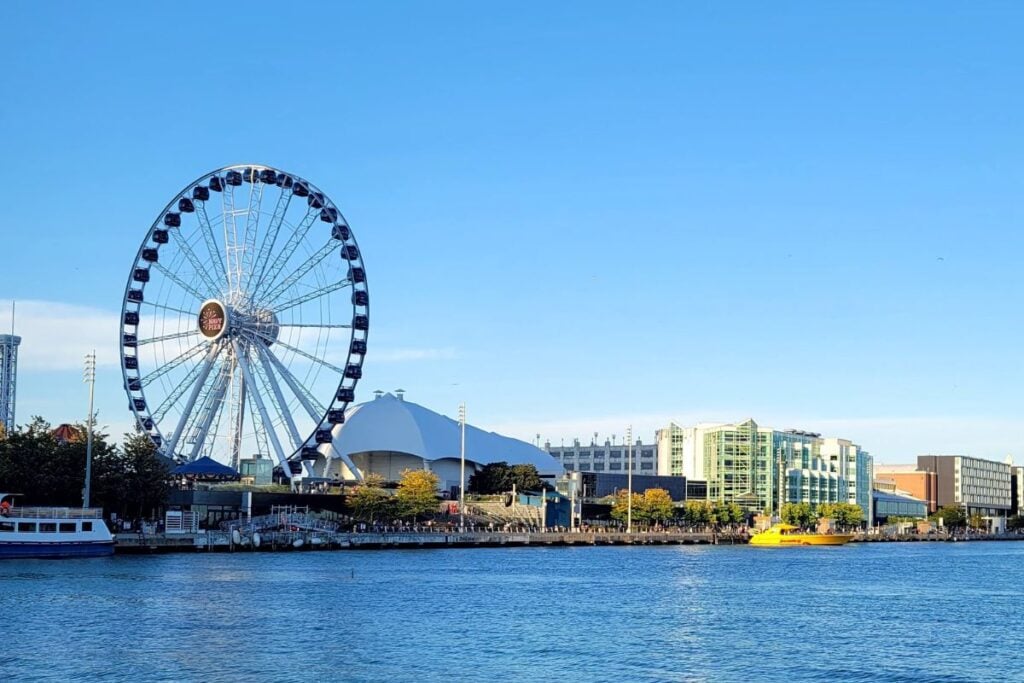
Navy Pier
Navy Pier gets a mixed reputation among locals — it’s undeniably touristy — but for a first-time visitor it earns its place on the list. It’s Chicago’s most-visited free attraction: a 3,300-foot pier extending into Lake Michigan with the Centennial Wheel, the Chicago Children’s Museum, the Chicago Shakespeare Theater, boat cruise departures, and summer fireworks every Wednesday and Saturday evening from Memorial Day through Labor Day. My honest take: Navy Pier is best as a launching point or an evening stroll, not a full day’s destination. See our Navy Pier guide for what’s worth your time.
Obama Presidential Center — Opening June 19, 2026
This is the biggest new attraction opening in Chicago in years. The Obama Presidential Center opens to the public on June 19, 2026 — Juneteenth — in Jackson Park on the South Side, near the University of Chicago and the Museum of Science and Industry. The 19-acre campus was designed by Tod Williams Billie Tsien Architects and includes the museum tower, a Chicago Public Library branch, community athletic facilities, public gardens, and open green space. An invitation-only dedication happens June 18 before the public opening June 19.
Unlike a traditional presidential library, this is designed as a living civic campus — most of the outdoor space is free. Museum tickets are on sale now, timed-entry only. Get details and ticket information at obama.org/visit.
💡 PRO TIP: Combine the Obama Presidential Center with the Museum of Science and Industry on the same day — both are in Hyde Park and within walking distance. See our Hyde Park guide for the full neighborhood.
Best Chicago Neighborhoods to Explore
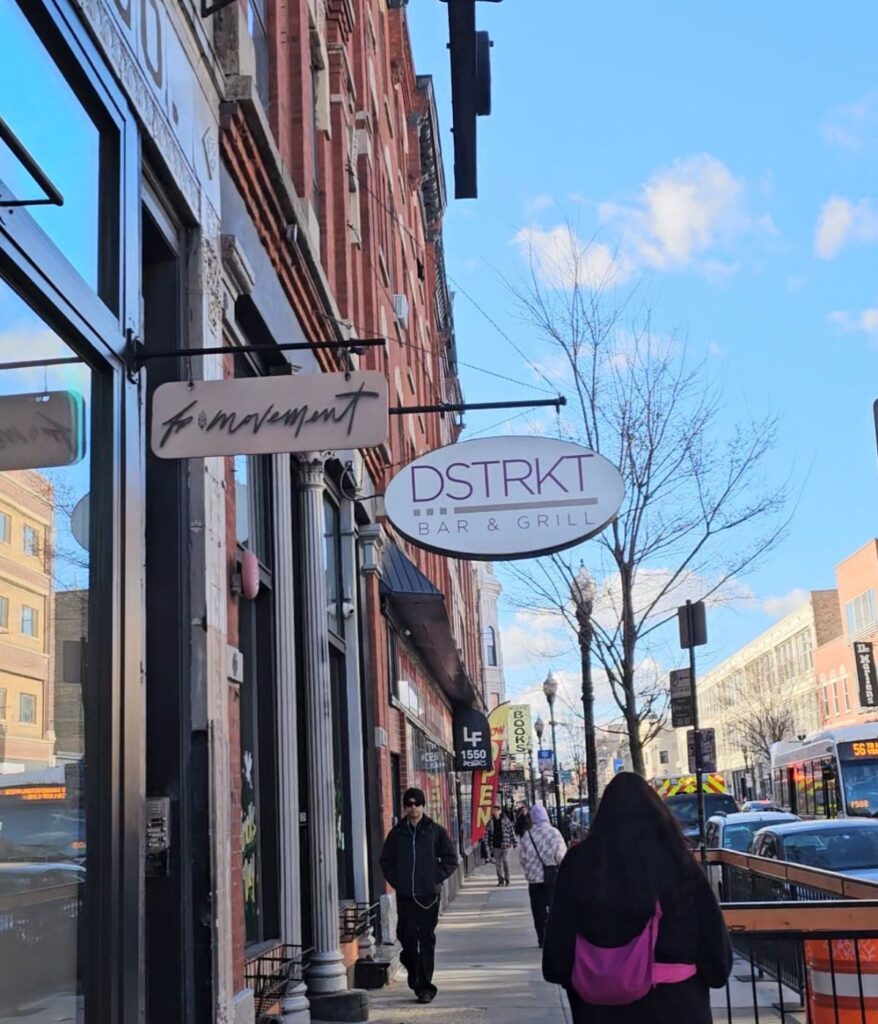
Downtown is where most first-timers stay — and it’s genuinely excellent. But Chicago is a city of neighborhoods, and the best of it lives beyond the Loop. Each one has its own distinct feel, food scene, and energy. Here are the ones worth a dedicated half-day or full day.
Wicker Park & Bucktown
Blue Line to Damen. Wicker Park is the Chicago that locals actually live in — independent coffee shops, vintage boutiques, great restaurants, music venues, and the 606 elevated trail for a walk with skyline views. It’s hip without being precious, and the concentration of good food and drink per block is genuinely impressive. Go for brunch, stay for the afternoon, walk the 606. See our complete Wicker Park guide for the best spots.
Pilsen & Little Village
Pink Line to 18th Street. Chicago’s Mexican-American cultural hub on the Lower West Side — vibrant street murals covering nearly every building, the free National Museum of Mexican Art, some of the best tacos and tamales in the city, and a thriving art and gallery scene. It feels nothing like downtown and that’s exactly the point. This is the Chicago that surprises people most. See our Pilsen guide before you go.
Lincoln Park
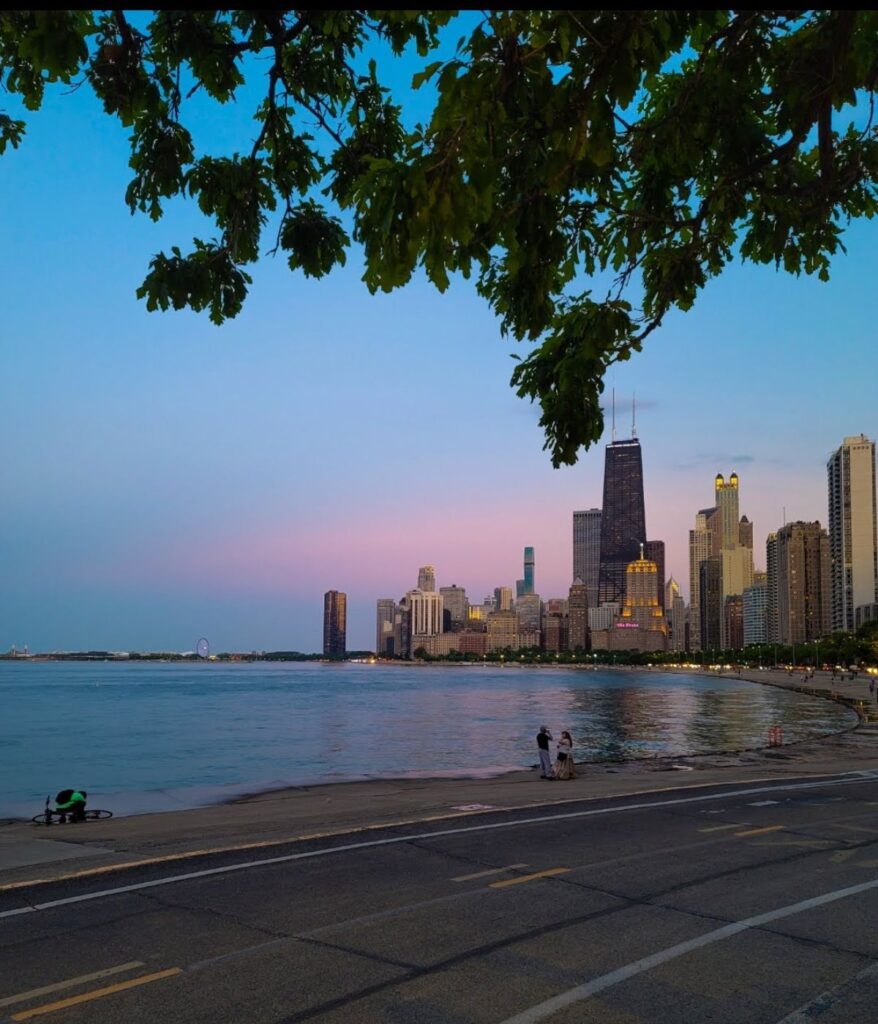
Red Line to Fullerton. One of Chicago’s most beautiful residential neighborhoods — walkable, tree-lined, and anchored by the 1,200-acre Lincoln Park itself. The Lincoln Park Zoo is one of the last major free zoos in America and genuinely excellent. North Avenue Beach is stunning on a clear day, with the skyline rising behind you as you face the lake. Clark Street and Armitage Avenue have excellent restaurants and shops. See our Lincoln Park with kids guide for families.
West Loop & Fulton Market
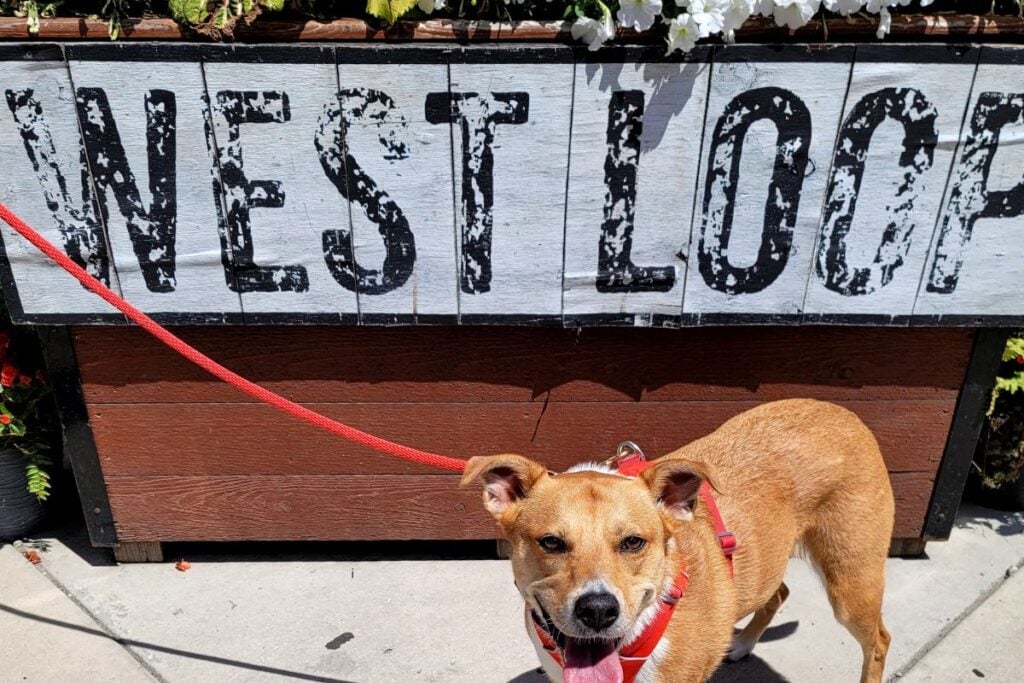
Green or Pink Line to Morgan. Chicago’s most exciting dining neighborhood — the stretch of Randolph Street and the Fulton Market District is where the city’s best chefs have set up shop. Restaurant Row on Randolph Street has more Michelin-recognized restaurants per block than almost anywhere in the country. Go for dinner, stay for drinks. See our West Loop guide and the best Fulton Market restaurants.
Gold Coast & Old Town
Red Line to Clark/Division. Gold Coast is Chicago’s most affluent neighborhood — stunning brownstones, upscale dining, Rush Street nightlife, and easy access to Oak Street Beach. Old Town sits just north, anchored by Second City comedy club and a charming stretch of Wells Street with restaurants, bars, and boutiques. See our Old Town guide for the full picture.
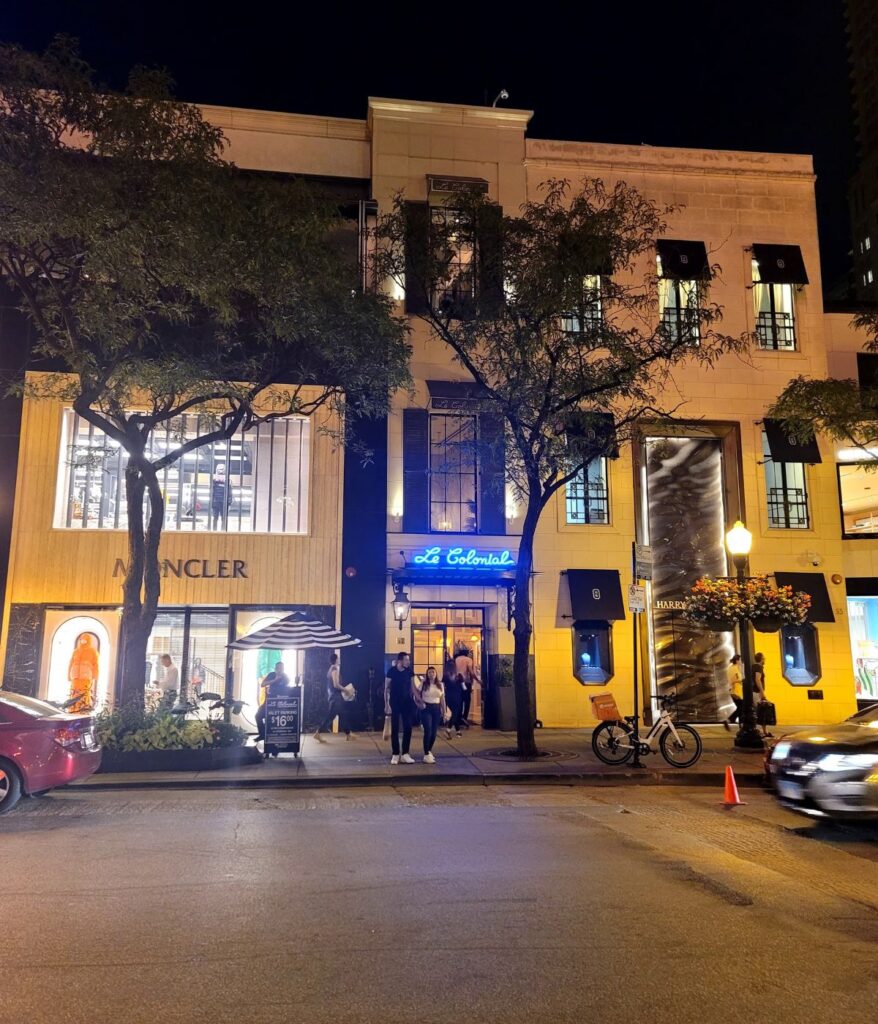
💡 PRO TIP: Don’t try to do three neighborhoods in one day. Pick one, go deep, eat well, and explore on foot. The neighborhoods that feel most “Chicago” are the ones you find yourself not wanting to leave.
Chicago Food Experiences You Can’t Skip
Chicago is one of the great food cities in the world — and it’s almost always underestimated by people who think the food story starts and ends with deep dish. It doesn’t. Here’s what to actually eat, including some great Italian food.
Deep Dish Pizza
Yes, you have to do it. Deep dish is a buttery, thick-crusted pie loaded with cheese and chunky tomato sauce — nothing like New York pizza, and that’s the point. The key thing to know: it takes 45 minutes to bake, so call ahead or order when you sit down. Lou Malnati’s is my top pick for the classic butter crust version. Giordano’s for stuffed pizza. Pequod’s in Lincoln Park for the caramelized pan crust that converts deep dish skeptics. Also worth knowing: locals eat tavern-style pizza more than deep dish — thin crust, cut into squares, and genuinely excellent. See our deep dish pizza guide and complete Chicago pizza guide for every option.
Chicago-Style Hot Dog
Vienna Beef frankfurter, yellow mustard, neon green relish, white onion, two tomato slices, a pickle spear, sport peppers, and celery salt — on a poppy seed bun. No ketchup. Ever. Locals are serious about this rule. Portillo’s is the accessible classic. Wolfy’s is more local. See the Chicago hot dog guide for the full breakdown.

Italian Beef
Chicago’s most underrated signature dish and the one visitors are most surprised by. Thinly sliced seasoned beef piled onto Italian bread, then dipped entirely into the cooking juices — called “gravy” — and topped with giardiniera (spicy pickled peppers) or sweet peppers. Get it “dipped.” Al’s Italian Beef is the classic. Portillo’s is more accessible. If you want the real local experience, Johnnie’s Beef in Elmwood Park is worth the drive.
Chicago Brunch
Chicago takes brunch seriously — it’s a weekend institution. The best spots book up fast. The Bongo Room in Wicker Park for creative pancakes worth the wait. Yolk for reliable, quick downtown options. Our 30 best Chicago brunch spots guide covers every neighborhood.
West Loop & Fulton Market Dining
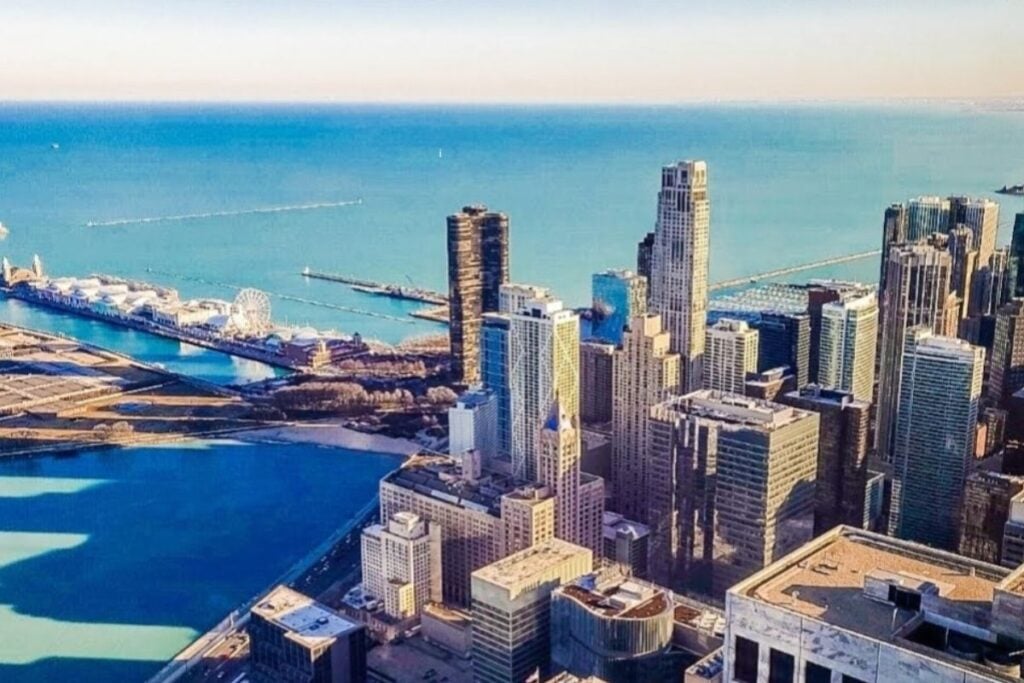
If you want one great dinner in Chicago, eat in the West Loop. Randolph Street and the Fulton Market District have transformed this former meatpacking neighborhood into the most exciting dining district in the Midwest. The concentration of James Beard-recognized chefs and Michelin stars is remarkable. See our Fulton Market restaurants guide for the best tables.
Best Tours & Guided Experiences
Chicago rewards the curious visitor who goes deeper than the surface. These tours consistently deliver more than you expect.
Architecture Experiences
Chicago is the birthplace of the skyscraper and has more significant architecture per block than any other American city. The boat tour is the best overall introduction. If you want to go deeper, the Chicago Architecture Center at 111 E Wacker offers excellent walking tours of the Loop, the best architecture bookshop in the city, and a free ground-floor exhibition. Their docents are volunteer-trained professionals who genuinely love this subject.
Museum Campus
Three world-class institutions in one walkable complex on a peninsula jutting into Lake Michigan just south of downtown. The Field Museum has SUE the T. rex and one of the greatest natural history collections anywhere — plan a half day minimum. The Shedd Aquarium has beluga whales, dolphins, and world-class shows — buy tickets in advance. The Adler Planetarium has the city’s best lakefront views from its front steps and immersive planetarium shows. Realistically, the Field Museum alone takes half a day — pick your priority and go deep. The Chicago CityPASS includes Shedd and other major attractions at significant savings.
- 📍 Museum Campus: 1400 S Lake Shore Drive — 🚇 CTA Bus 146 from Michigan Ave
- ♿ All three museums fully ADA-accessible — 🐕 No dogs inside (service animals welcome)
Second City & Chicago Comedy
Chicago’s comedy scene is world-class and completely underrated as a travel experience. Second City — the training ground for Tina Fey, Steve Carell, John Belushi, and dozens more — runs mainstage shows most evenings in Old Town. The shows are sharp, funny, and unlike anything you can see in most cities. Book in advance at secondcity.com. Also worth checking: Zanies Comedy Club, a Chicago institution since 1978. See our Chicago comedy clubs guide for all the options.
Blues & Live Music
Chicago is the home of electric blues — and the live blues clubs on the North Side are the real thing, not a tourist recreation of it. Buddy Guy’s Legends in the South Loop is the most famous — Buddy Guy himself still plays occasional sets. Kingston Mines in Lincoln Park runs alternating sets on two stages until 4am on weekends. Both are genuinely excellent. If you’re visiting in June, the Chicago Blues Festival at Millennium Park is free and world-class.
Seasonal Things to Do in Chicago
Chicago transforms dramatically by season — and knowing what’s happening when can make the difference between a good trip and a great one.
Spring (March–May)
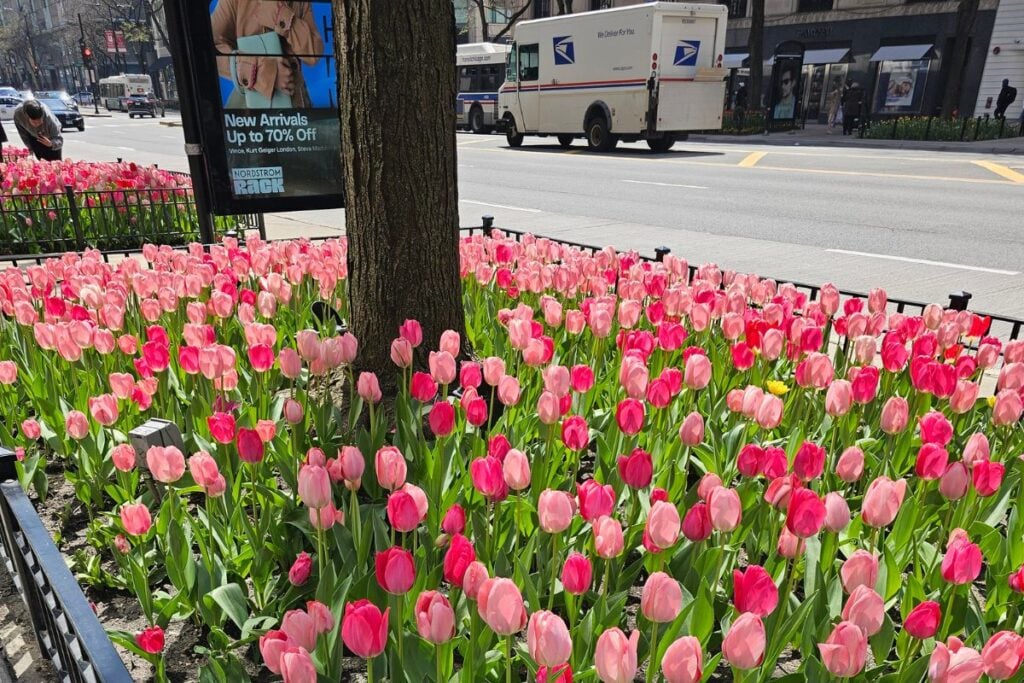
Spring comes late to Chicago but arrives beautifully. The biggest event: the Chicago River Dyeing for St. Patrick’s Day — the river is dyed bright green every year on the Saturday before St. Patrick’s Day and the city throws one of the great urban parties in America. See our St. Patrick’s Day Chicago guide for everything you need to know. Spring also brings the best conditions for architecture boat tours — before summer crowds, after winter cold. If visiting with family, check out our spring break with kids guide.
Summer (June–August)
Summer in Chicago is genuinely one of the best urban experiences in America. The entire city moves outside — the Riverwalk fills up, the beaches open, and the free festival calendar is relentless. The Chicago Blues Festival (June), Lollapalooza (late July/early August at Grant Park), and the Millennium Park Summer Series run all season. The Chicago beaches along Lake Michigan — particularly North Avenue Beach and Oak Street Beach — are genuinely excellent. See our summer festivals guide for the full calendar. And don’t miss the Obama Presidential Center opening June 19 — a major new reason to visit Chicago this summer.
Fall (September–November)
Fall is Chicago’s best-kept secret for visitors. September and October have ideal weather — warm days, cool evenings, minimal humidity, smaller crowds than summer, and lower hotel prices. The Chicago Jazz Festival runs Labor Day weekend (free, Millennium Park). The neighborhoods are at their most beautiful with fall foliage. If you want to experience Chicago without the summer crowds, fall is your season. See our Chicago fall guide for seasonal activities.
Winter (November–March)
Winter in Chicago is cold — genuinely, dramatically cold — but the city doesn’t shut down. The free McCormick Tribune Ice Rink at Millennium Park is one of the most beautiful skating experiences in America. The Christkindlmarket on Daley Plaza runs Thanksgiving through Christmas Eve. The museums are at their least crowded and hotel prices drop significantly. See our winter Chicago guide and our Christmas break guide for the full picture.
Best Free Things to Do in Chicago
One of the most surprising things about Chicago is how much of the best stuff is completely free.
Always free: The Bean and all of Millennium Park, the Chicago Riverwalk, Lincoln Park Zoo, the Chicago Cultural Center (Tiffany glass dome — genuinely stunning), North Avenue Beach and the entire lakefront, the 606 Trail, and all of the public art throughout the Loop including the Picasso sculpture in Daley Plaza and the Chagall mosaic at First National Plaza.
Free in summer: All Millennium Park concerts and films, the Chicago Blues Festival, Chicago Jazz Festival, Chicago Gospel Music Festival, Grant Park Music Festival (classical, 90+ years running), and free Saturday morning workouts at Millennium Park.
Free with planning: The Art Institute of Chicago is free for Illinois teens under 18 and Chicago residents. Many museums offer free Illinois resident days — check individual museum websites. The Chicago Architecture Center has a free ground-floor gallery. The Obama Presidential Center outdoor campus is free.
For the complete list, our Chicago on a budget guide covers every free and cheap option in the city.
How to Plan Your Days in Chicago
The single most common mistake first-time visitors make is trying to do too much and ending up exhausted. Chicago rewards focus. Here’s how to think about building your days.
Day 1 — The Loop and Millennium Park. Start at the Bean before 9am. Cross to the Art Institute. Walk the Riverwalk for lunch. Explore the Loop in the afternoon. Deep dish pizza for dinner. This day keeps you walking distance from everything and gives you the iconic Chicago photos. See the full plan in our 3-Day Chicago Itinerary.
Day 2 — Architecture and the city from above. Architecture boat tour in the morning — book in advance. Magnificent Mile and Skydeck Chicago in the afternoon. River North for dinner and Second City in the evening.
Day 3 — Your Chicago. Museum Campus if you’re a culture or science lover. Lincoln Park if you’re traveling with kids. Wicker Park or Pilsen if you want to see the real city. Hyde Park if you want to be among the first visitors to the Obama Presidential Center.
Where to stay: The Loop and River North put you within walking distance of most Day 1 and Day 2 highlights. See our Downtown Chicago hotels guide for recommendations at every budget, and our Magnificent Mile hotels guide if you want to be on Michigan Avenue.
💡 PRO TIP: Download the Ventra app before you arrive — it gives you real-time L train arrivals and makes navigating the CTA effortless. A 3-day pass costs $15 and covers unlimited rides. You genuinely do not need a car.
Frequently Asked Questions
What is the #1 thing to do in Chicago for first-time visitors?
The architecture boat tour is the single best paid experience — it puts the entire city in context in 90 minutes. For free, the Bean at Millennium Park before 9am is the essential first-morning stop. If you only have one day, our 3-Day Chicago Itinerary condenses the best of the first day into a walkable Loop morning.
How many days do you need in Chicago?
Three days is the sweet spot for a first visit — enough to hit the major highlights without feeling rushed. Two days is doable but tight. Four days or more lets you explore the neighborhoods properly.
Is Chicago safe for tourists?
The neighborhoods covered in this guide — the Loop, River North, Millennium Park, Lincoln Park, Wicker Park, West Loop, Pilsen, Museum Campus, and Navy Pier — are all safe and heavily visited. Use standard big-city awareness and you’ll be fine.
What is the best time of year to visit Chicago?
Late May through early October is ideal — warm weather, all outdoor attractions and boat tours running, and the summer festival calendar in full swing. September and October offer excellent weather with smaller crowds and lower hotel prices. Winter is cold but beautiful with free ice skating and the Christkindlmarket. Spring has the St. Patrick’s Day River Dyeing and fewer tourists than summer.
What should I eat in Chicago that I can’t get anywhere else?
Chicago-style hot dog (Vienna Beef, poppy seed bun, no ketchup), deep dish pizza (Lou Malnati’s or Giordano’s), Italian beef sandwich (Al’s Beef, get it dipped), and Garrett Popcorn’s Chicago Mix (caramel and cheddar — sounds wrong, tastes incredible). In that order.
What is the best free thing to do in Chicago?
The Bean and Millennium Park are the obvious answer — and genuinely excellent. But my honest pick is walking the Chicago Riverwalk on a summer evening when the restaurants are full, the architecture boat tours are gliding past, and the skyline is lit up overhead. It costs nothing and feels like the best city in the world.
Keep Planning Your Chicago Trip
- 3-Day Chicago Itinerary for First-Time Visitors — everything on this list organized into a perfect 3-day plan
- First-Time Visitor’s Guide to Chicago — the complete overview of what to know before you go
- Planning a Trip to Chicago — where to stay, how to get around, what to budget
- Best Chicago Boat Tours — every architecture cruise compared
- The 25 Best Chicago Museums — from the Art Institute to the Field Museum
- Chicago on a Budget — the best free and cheap experiences in the city
- Downtown Chicago Hotels — where to stay at every budget